15 30 Minute Workout Routines for Every Goal
Explore 15 30 minute workout routines for strength, cardio, HIIT, mobility, and different fitness levels, with practical ways to train consistently.

You've got half an hour before work, between shifts, or before the rest of the household needs you. You want to train, but “just do something” isn't a useful plan when your priority might be fat loss, muscle building, low-impact conditioning, mobility, or athletic power. The right 30 minute workout routine depends on the result you want, the equipment you can use, and how well your joints and recovery handle the work.
The options below aren't interchangeable circuits. Some emphasize speed and conditioning, others prioritize strength, movement quality, coordination, or low-impact endurance. Each session includes a practical time split, the people it suits, ways to scale it, and situations where certified coaching or a well-equipped gym can remove guesswork.
Use the warm-up to prepare the movement pattern you'll perform, keep the main work focused, and finish with enough easy movement or mobility to leave feeling better than when you arrived. Empire Athletics can support that structure with 24/7 access, varied strength and cardio equipment, certified one-on-one training, and an on-site cafe offering coffee, smoothies, and shakes when convenient fueling fits your schedule.
1. HIIT Circuit
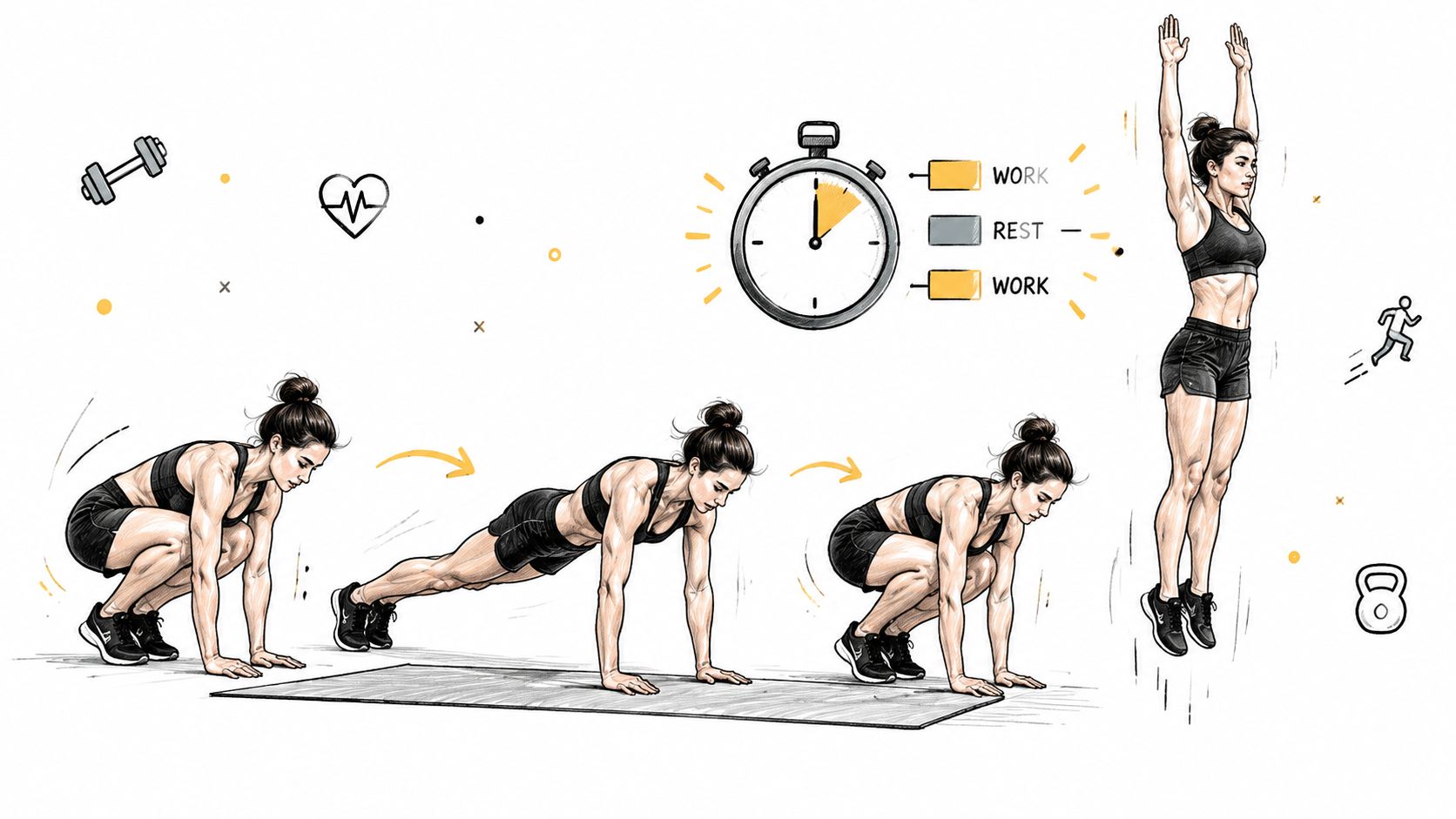
High-intensity interval training works best when you can alternate demanding efforts with deliberate recovery. A simple half-hour session is five minutes of warm-up, twenty minutes of intervals, and five minutes of easy movement and breathing.
Choose four movements that you can perform safely under fatigue, such as bike sprints, medicine ball slams, squat-to-presses, and step-ups. Work hard, then recover completely enough to repeat quality effort. You can use a Tabata-style structure of 20 seconds of work and 10 seconds of rest, a format also used in Empire Athletics' own Tabata-style workout guidance, or choose longer work and recovery periods if you're new to intervals.
Practical rule: Your hardest interval should challenge your breathing, not destroy your technique.
This suits busy professionals and shift workers who need a compact conditioning session. Beginners should replace jumping with marching, step-ups, or controlled bodyweight squats. Advanced trainees can combine a cardio movement with a strength movement, but shouldn't turn every session into a maximal test.
Empire Athletics' 24/7 schedule makes it easier to place HIIT when you're adequately recovered rather than forcing it into a crowded time slot. A certified trainer can check your landing, bracing, and pacing before you increase intensity. If you want something convenient afterward, Empire Cafe offers smoothies and shakes on site.
2. Dumbbell Strength Circuits
Dumbbells let you train both sides independently, move between upper and lower body patterns quickly, and adjust the session without waiting for a machine. Reserve five minutes for warm-up, twenty minutes for three or four controlled exercise rounds, and five minutes for cooldown.
Build each round around a squat or hinge, a press, a pull, and a loaded carry or core exercise. A useful full-body sequence might pair goblet squats, dumbbell bench presses, one-arm rows, Romanian deadlifts, and a suitcase carry. Keep the weight moderate enough that you can maintain a steady range of motion from the first exercise to the last.
For muscle-building work, use challenging loads and rest rather than racing. The circuit format saves time, but it shouldn't turn every set into breathless conditioning. Rest briefly between exercises when the movement pattern changes, then take a longer break between rounds if your grip or posture starts to fail.
Choose this routine if:
You want versatile strength work: Dumbbells can train pressing, pulling, squatting, hinging, and carrying in one session.
You're correcting side-to-side differences: Unilateral rows, presses, and lunges stop the stronger side from doing all the work.
You're still learning: A certified trainer can adjust load, stance, bench position, and lifting mechanics before you add intensity.
Beginners can perform supported rows and split squats with bodyweight first. More experienced lifters can use slower lowering phases or heavier compound movements, but should keep a record of load and completed repetitions. Empire Athletics' strength equipment and certified coaching make this format practical when you want focused lifting without building a complicated program.

3. Bodyweight Progressive Calisthenics
Bodyweight training isn't automatically easy. The resistance comes from range of motion, tempo, and how much of your body you place over or away from the working muscles. Use five minutes for joint preparation, twenty minutes for progressive strength sets, and five minutes for mobility.
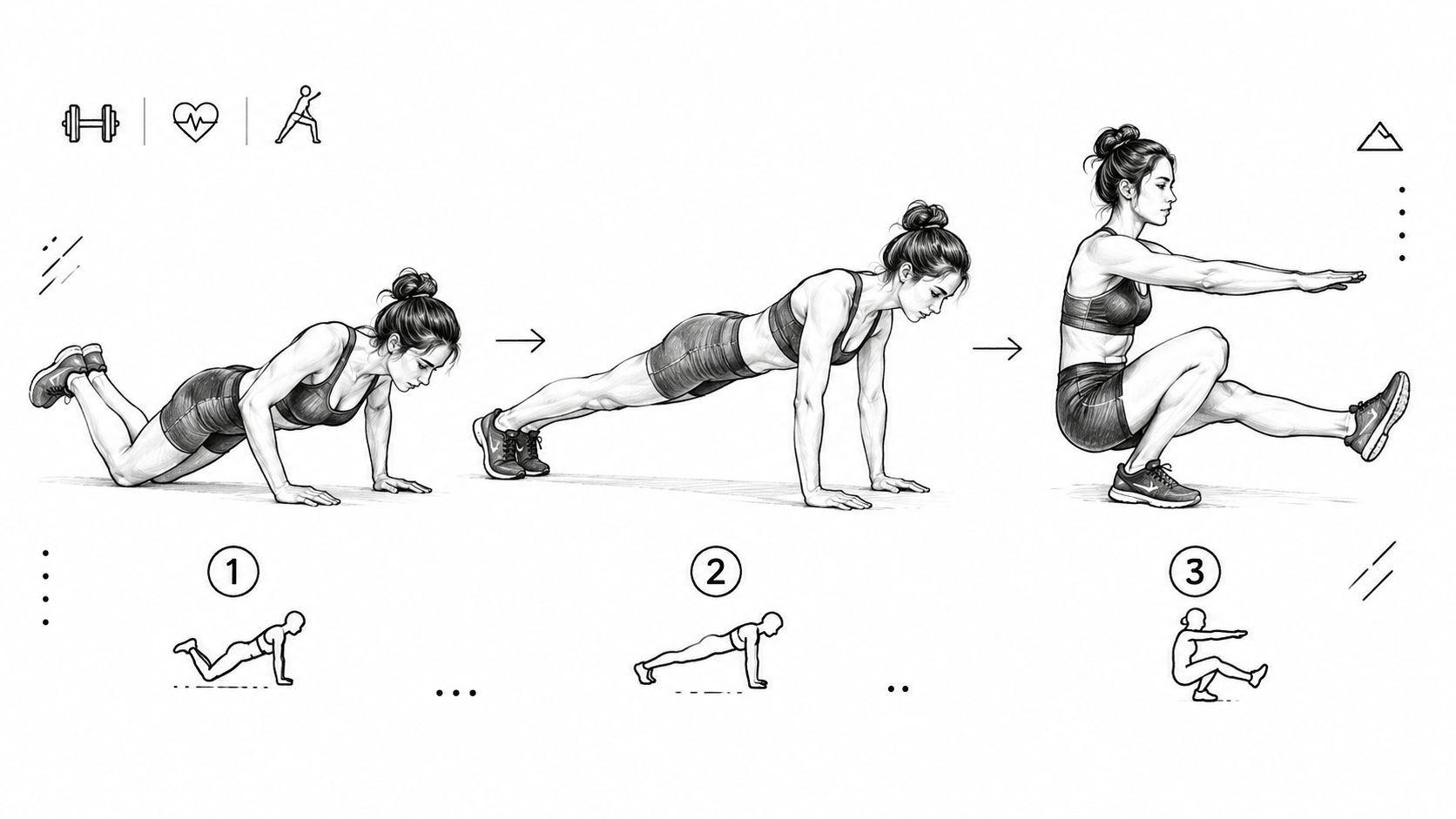
Start with a push-up variation, a pull pattern, a single-leg movement, and a trunk exercise. Incline push-ups can lead to floor push-ups, then harder variations. Scapular pulls and assisted hangs can prepare you for pull-ups. Split squats may come before single-leg squats, while dead bugs can build control before hollow holds or L-sits.
Don't advance because a movement looks impressive. Move up only when you can control the current variation without shortened range, shoulder shrugging, or unstable landings.
Progression can come from tempo, pauses, range of motion, leverage, or reduced rest. You don't need a new exercise every session.
A beginner might perform three rounds of incline push-ups, assisted squats, glute bridges, and planks. An experienced trainee could use archer push-ups, pull-ups, pistol-squat progressions, and L-sits. Keep difficult movements early in the workout, when coordination is highest.
This option works well for members who want minimal equipment and functional strength. Empire Athletics trainers can organize progressions so you're not guessing which variation comes next. The gym environment also gives you access to bars, benches, mats, and open space when a home setup limits your options.
4. Kettlebell Metabolic Conditioning
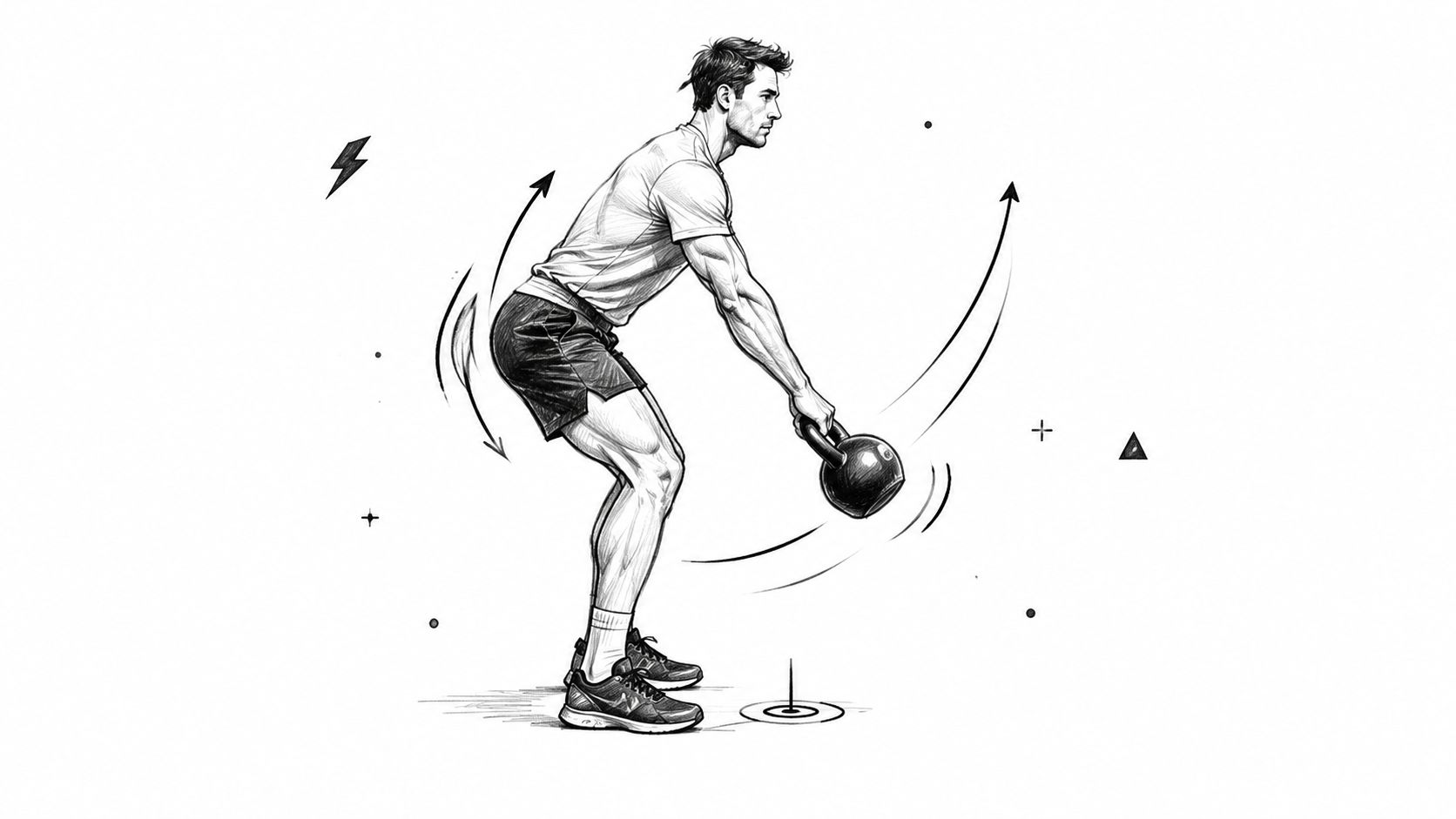
Kettlebell sessions combine strength, coordination, and conditioning, but only when the hip hinge is sound. Divide the workout into seven minutes of warm-up and hinge practice, eighteen minutes of structured kettlebell work, and five minutes of cooldown.
A straightforward session might rotate swings, cleans, goblet squats, and carries. Perform one movement at a time if you're learning. A more experienced trainee can use a clean, press, squat, and swing complex, provided the bell stays under control and the transitions don't degrade.
The swing should come from explosive hip extension, not from lifting the bell with your shoulders. Start lighter than your ambition suggests, practice the hinge, and stop the set when your back position or breathing becomes uncontrolled.
Empire Athletics has the equipment and coaching environment for this style of training. A certified trainer can teach the difference between a hinge and a squat, refine the rack position, and help you select a repeatable work pace. For additional programming context, see kettlebell training for fat loss.
The format can suit someone who wants power and conditioning without a long session. It's less suitable for a tired beginner attempting advanced snatches after a demanding shift. Use the gym's 24/7 access to schedule this workout when you're alert enough to move explosively.
A short demonstration can help you visualize the rhythm, but coaching remains valuable for hands-on technique correction.
5. Treadmill HIIT Sprints
Treadmill intervals offer precise speed and incline adjustments, which makes progression easier to track than outdoor sprinting. Build the session with five minutes of walking and jogging, twenty minutes of sprint and recovery intervals, and five minutes of easy walking.
Beginners should use brisk walking or a moderate jog for the work period. More experienced runners can alternate hard efforts with equal or longer recovery, then gradually change speed or incline rather than increasing everything at once. A pyramid format can also work, with efforts that grow longer before shortening again.
Stay tall, keep your eyes forward, and avoid hanging on the handrails. If you need the rails to remain on the belt, the pace is too demanding. A trainer can help you choose a speed that challenges your cardiovascular system without forcing a poor stride.
Make the session joint-friendly by:
Choosing a manageable incline: A moderate incline can increase demand without requiring an all-out speed.
Using a full recovery: Walking recovery is appropriate when you're learning to repeat quality efforts.
Ending before form collapses: Sprint work becomes risky when your foot placement and posture deteriorate.
For more ideas, use this guide to treadmill workouts for weight loss. Empire Athletics' cardio equipment and flexible hours suit members who need reliable access before an early shift or after a late one. Finish with easy walking, water, and a smoothie if that fits your routine.
6. Strength-Endurance Barbell Complex
A barbell complex links several exercises without putting the bar down. It's demanding because fatigue accumulates across the sequence, so this routine belongs with intermediate or advanced lifters who already own the individual movements.
Use eight minutes for warm-up and technique rehearsal, sixteen minutes for two or more carefully loaded complexes, and six minutes for recovery and mobility. One sequence might include a deadlift, bent-over row, hang power clean, front squat, and push press. Keep the load light enough for the most technically difficult exercise, not the strongest one.
The main trade-off is density versus precision. A complex can raise your work capacity quickly, but it's a poor choice for testing a heavy deadlift or practicing a new clean. Rest fully between rounds, breathe deliberately, and stop if the bar path changes.
The limiting exercise sets the weight. Don't choose a load based on the movement that feels easiest.
Empire Athletics' Olympic lifting platforms and certified trainers can make this format safer and more organized. A coach can break the sequence into separate drills, teach the transition points, and determine whether you're ready to combine them. Beginners should use a dowel or empty bar practice before adding plates. Experienced lifters can vary the order or use pauses, but should preserve movement quality.
This session fits someone who wants strength-endurance and athletic work in one block. It doesn't fit a rushed trainee who plans to improvise complex barbell movements while fatigued.
7. Rowing Machine Intervals
Rowing is low-impact, but it isn't low-skill. The stroke should flow from the legs to the trunk and then the arms, followed by a controlled return. Use six minutes for technique and easy rowing, eighteen minutes for intervals, and six minutes for light rowing and mobility.
A beginner can row hard for a short period, then recover at an easy pace while focusing on sequencing. More experienced rowers can use repeated distance or timed efforts, recording their split and power so future sessions have a clear reference point. Avoid turning every stroke into an arm pull. The legs initiate the drive, the trunk follows, and the arms finish.
The rower suits members who want conditioning without repeated impact from running. It can still stress the lower back when the athlete rounds at the catch or leans too far at the finish. Keep the spine neutral and allow the seat to move naturally instead of reaching aggressively.
For equipment selection and broader cardio ideas, explore cardio workout equipment at Empire Athletics. Certified coaching is especially useful here because small timing errors can make the session feel harder without improving output.
A shift worker may choose rowing when sore knees make running unattractive. An advanced trainee might use high-power intervals, but should reserve enough recovery to keep each drive explosive rather than merely frantic.
8. Push Pull Legs Split
A half-hour push, pull, or legs session works when you treat it as part of a weekly plan, not as a complete program by itself. Each visit should include a short warm-up, one primary compound movement, and a small number of supporting exercises.
For a push day, prioritize a bench press or overhead press, then add an incline dumbbell press and lateral raises. A pull day can center on rows or pull-ups, followed by a pulldown and curl variation. A leg day can use a squat or leg press, then a hinge, hamstring movement, and calf work. Allocate five minutes to preparation and twenty-five minutes to focused lifting, with rest built into the main sets.
This format suits intermediate and advanced lifters who can track loads and recover between sessions. It's less useful for a beginner who can only train occasionally, because a full-body session provides more frequent practice of each movement pattern.
Keep the split productive:
Start with the priority lift: Don't spend your best energy on isolation work.
Log every working set: Record load, repetitions, and any form limitation.
Adjust volume to recovery: A short session should be repeatable, not a reason to train to failure constantly.
Empire Athletics' varied equipment supports presses, rows, cables, machines, and free-weight substitutions. A certified trainer can organize the split around your schedule and identify when a full-body approach would serve you better.
9. Stair Climber Conditioning
The stair climber creates continuous lower-body demand with minimal setup. It's a practical choice when you want leg endurance and cardiovascular work without sprinting. Use four minutes for an easy start, twenty-one minutes for steady or interval climbing, and five minutes for a gradual cooldown.
A beginner should choose a pace that allows upright posture and controlled steps. Don't lean heavily on the rails to unload your body. If you can't maintain your position, reduce the resistance or step rate. More experienced members can alternate demanding climbs with easier recovery or gradually increase resistance during the session.
The machine emphasizes repeated hip and knee extension, so it can create substantial soreness in the glutes and thighs. That makes it useful for conditioning, but not always the best choice immediately before heavy leg strength work. Schedule it according to your weekly priorities.
Let the legs do the work. The handrails are for balance, not for supporting your body weight.
A member returning from impact-heavy training may use the stair climber as a controlled conditioning option. Someone with knee pain should ask a qualified professional whether the movement suits them and should stop if symptoms worsen. Empire Athletics' equipment access lets you compare this format with cycling, rowing, or incline walking instead of forcing one option.
10. Full-Body Functional Movement
Functional training rewards control, coordination, and useful movement patterns. It's a strong starting point for beginners, people rebuilding confidence, and anyone who wants more than isolated muscle work. Plan seven minutes for dynamic preparation, eighteen minutes for compound patterns, and five minutes for breathing and mobility.
A session could include goblet squats, elevated push-ups, reverse lunges, cable rows, and a farmer carry. Another could combine a kettlebell deadlift, a supported Turkish get-up, and a sled push. Keep the load modest until you can brace, hinge, squat, push, pull, and carry without compensating.
The best version isn't the most complicated one. Turkish get-ups, unstable surfaces, and fast transitions have a learning curve. Beginners should use partial ranges, raised hand positions, or unloaded versions. Advanced trainees can add load, distance, or more demanding transitions, but should change one variable at a time.
Certified one-on-one training at Empire Athletics can be valuable when a previous injury, mobility restriction, or asymmetry affects your movement. A coach can modify the pattern instead of telling you to push through discomfort.
This session also works well as a general preparation day between harder strength sessions. Finish feeling practiced and coordinated, not exhausted.
11. Spin Class Intensity Intervals
Indoor cycling offers high cardiovascular demand with low impact and straightforward resistance control. A balanced session uses five minutes of easy pedaling, twenty minutes of intervals or sustained tempo, and five minutes of gradual cooldown.
Set the saddle so your knee remains slightly bent at the bottom of the pedal stroke. Begin with moderate resistance and establish a stable cadence before adding intensity. Beginners can use short faster efforts with generous easy pedaling. Experienced riders can climb against heavier resistance or hold a demanding tempo without losing smooth mechanics.
Cycling is easier to recover from than repeated sprinting for some members, but that doesn't mean every ride should become maximal. A steady ride may be the smarter choice after heavy lower-body lifting or a demanding workday. Use resistance to build muscular demand and cadence to challenge speed, but don't chase both at once.
Use the bike deliberately:
For conditioning: Alternate a hard effort with light spinning.
For leg strength-endurance: Increase resistance while keeping your pedal stroke smooth.
For recovery: Stay seated, reduce resistance, and keep breathing relaxed.
Empire Athletics' 24/7 access supports early or late rides, while coaching can help with bike setup and posture. Keep your core engaged without bracing so hard that your hips rock or your lower back becomes uncomfortable.
12. Suspension Training Full Body
Suspension straps change difficulty through body angle. Leaning farther increases the challenge, while standing more upright makes the same movement accessible to beginners. Use six minutes for setup and warm-up, eighteen minutes for controlled strap exercises, and six minutes for mobility.
Build the session around rows, chest presses, squats, reverse lunges, hamstring curls, and body saws or fallouts. Start with an upright row and a shallow chest press. Once you can keep your ribs, pelvis, and shoulders aligned, increase the lean or range of motion.
Suspension training is useful when you want strength and stability without a large equipment footprint. It's also easy to make too difficult by chasing instability rather than controlling the movement. The strap should assist a clean pattern, not force you into shaking repetitions.
Change your body angle before you add speed. A slower, stable repetition is usually more useful than a rushed one.
Beginners can use two-leg positions and shorter ranges. Advanced trainees can add single-leg work, longer lowering phases, and deeper ranges, but should keep the anchor secure and check strap length before each movement. Empire Athletics trainers can teach setup and alignment, especially for fallouts, single-leg squats, and hamstring curls.
This format suits members who want a full-body session that blends strength, mobility, and trunk control.
13. Medicine Ball Power Circuit
Medicine ball training is about producing force quickly, then recovering enough to repeat it. Divide the session into eight minutes of dynamic warm-up, twelve minutes of explosive work, and ten minutes of rest, mobility, and easy movement.
Choose two or three patterns, such as overhead slams, chest passes, rotational throws, and squat-to-presses. Perform each repetition with intent, but stop the set when speed falls noticeably. Power training loses its purpose when you turn explosive throws into slow endurance repetitions.
A beginner should start with simple slams and chest passes in a stable stance. An athlete may add rotational throws, lateral movement, or a clean into a squat press, but should learn the landing and bracing demands first. Use an open wall or designated throwing area and check that the ball, floor, and surroundings are suitable.
The key decisions are simple:
Select a manageable ball: Heavy enough to feel meaningful, light enough to move quickly.
Rest between efforts: Power requires quality, not constant fatigue.
Keep the trunk organized: Rotate through the hips and upper back rather than forcing the lower back to twist.
Certified trainers at Empire Athletics can teach throwing mechanics and help connect the session to sport performance. This routine fits athletes and fitness-focused members who want coordination and power. It's less appropriate as a daily conditioning option because explosive work places a high demand on attention and recovery.
14. Resistance Band Mobility and Strength
Bands are useful when you want low-impact resistance, movement preparation, or a portable strength session. They create more tension as they stretch, so the hardest part of an exercise may arrive near the end of the range. Plan eight minutes for mobility and activation, sixteen minutes for banded strength work, and six minutes for relaxed stretching.
A full-body sequence can include banded squats, standing rows, chest presses, good mornings, lateral walks, and single-leg deadlifts. Move slowly through the lowering phase and keep the band anchored securely. If the band loses tension or snaps toward your body, stop and reset the setup.
This routine suits beginners, members returning to training, and people who want an easier day between heavier sessions. It can also prepare the shoulders and hips before lifting, but activation drills shouldn't replace the main strength work when building maximal force is the priority.
Use a thicker band for more resistance or step farther from the anchor. Advanced trainees can combine bands with bodyweight movements, pauses, or unilateral positions. Beginners should first learn the pattern with a lighter band and a stable stance.
Empire Athletics can provide space, coaching, and equipment variety when bands alone aren't enough. A trainer can check whether the band is helping your alignment or masking a mobility limitation. Keep the session controlled, especially around the shoulders and knees.
15. Boxing and Kickboxing Conditioning Combinations
Striking workouts combine footwork, trunk rotation, coordination, and conditioning. Use five minutes for stance, movement, and warm-up, twenty minutes for bag or shadowboxing rounds, and five minutes for cooldown.
Start with a simple combination such as a jab, cross, hook, reset. Add defensive movement only after your feet remain organized. A beginner can shadowbox in front of a mirror or work lightly on a bag, focusing on returning the hands to guard and rotating through the hips. An experienced trainee can add kick combinations, angle changes, and higher-intensity rounds.
Power comes from the floor, hips, and trunk, not from throwing the shoulder forward. Keep your wrists aligned, avoid locking the elbows, and wrap your hands appropriately before hitting a heavy bag. If you're learning kickboxing, certified coaching matters because poor technique can overload the knees, hips, shoulders, or lower back.
A practical session might alternate technical rounds with easier movement rounds. The hard rounds should still look clean. If your feet cross, your guard drops, or your punches become arm-only swings, reduce intensity.
Empire Athletics' bags and open training space make this a useful option for people who want a mentally engaging conditioning session. It suits athletes, beginners who enjoy skill-based exercise, and members who dislike repetitive machine work. It's not the right choice if you have an acute injury or can't control your striking mechanics yet.
30-Minute Workout Routines, 15-Method Comparison
Program | Implementation 🔄 | Resources | Expected Outcomes ⭐📊 | Ideal Use Cases | Key Advantages ⚡ | Practical Tip 💡 |
|---|---|---|---|---|---|---|
HIIT (High-Intensity Interval Training) Circuit | Moderate–High (interval setup, intensity management) 🔄🔄 | Minimal equipment; open space; trainer recommended | High calorie burn, improved CV & anaerobic capacity ⭐📊 | Time‑crunched professionals, fat‑loss programs | Extremely time‑efficient; sustained EPOC ⚡ | Start moderate, learn form with a trainer |
Dumbbell Strength Circuits | Moderate (exercise sequencing, load management) 🔄🔄 | Adjustable dumbbells, rack space, trainer optional | Lean muscle growth and progressive strength gains ⭐📊 | Bodybuilders, intermediate lifters seeking efficiency | Versatile, supports progressive overload ⚡ | Progress weight every 2–3 weeks; focus on control |
Bodyweight Progressive Calisthenics | Low–Moderate (progressions planning) 🔄🔄 | No equipment (pull‑up bar optional) | Functional strength, mobility; may plateau sooner ⭐📊 | Beginners, travel, mobility‑focused trainees | Accessible anywhere; low cost/impact ⚡ | Master basics before adding advanced variations |
Kettlebell Metabolic Conditioning | High (ballistic technique required) 🔄🔄🔄 | Kettlebells, coach supervision advised | Explosive power, conditioning, posterior chain strength ⭐📊 | Athletes, power/endurance sessions | Combines strength + conditioning in one tool ⚡ | Learn hip‑hinge technique; start light |
Treadmill HIIT Sprints | Low–Moderate (interval control, pacing) 🔄🔄 | Treadmill with speed/incline controls | Rapid CV improvements and fat loss with precise overload ⭐📊 | Cardio-focused goals, runners, indoor training | Precise workload control; weather‑independent ⚡ | Warm up thoroughly; prioritize posture |
Strength‑Endurance Barbell Complex | High (technical & load management) 🔄🔄🔄 | Barbell, platform, space; certified coaching | High work capacity, strength under fatigue, hypertrophy ⭐📊 | Advanced lifters, metabolic strength development | Time‑efficient full‑body stimulus; high anabolic effect ⚡ | Start lighter than usual; rest between rounds |
Rowing Machine Intervals | Moderate (stroke technique important) 🔄🔄 | Rower (erg), monitor for watts/splits | Low‑impact full‑body conditioning with measurable metrics ⭐📊 | Low‑impact conditioning, endurance athletes | Full‑body engagement; objective performance tracking ⚡ | Drive with legs first; learn proper stroke sequence |
Push/Pull/Legs (PPL) Split - 30 Min | Moderate (programming & frequency) 🔄🔄 | Full gym access, tracking/logging tools | Systematic hypertrophy and balanced development ⭐📊 | Intermediate/advanced lifters seeking structure | Clear progression structure and frequency‑driven gains ⚡ | Do compounds first; keep strict log |
Stair Climber Conditioning | Low (machine operation) 🔄 | Stair climber machine | Lower‑body endurance and glute/quadriceps development ⭐📊 | Glute/leg development, low‑impact conditioning | Joint‑friendly, precise resistance progression ⚡ | Maintain upright posture; step heel→toe |
Full‑Body Functional Movement | Moderate (movement quality focus) 🔄🔄 | Minimal equipment; varied implements | Improved mobility, stability, practical strength ⭐📊 | Beginners, corrective exercise, injury prevention | Enhances movement quality; reduces injury risk ⚡ | Prioritize form over load; dynamic warm‑ups |
Spin Class Intensity Intervals | Low–Moderate (bike setup & cadence control) 🔄🔄 | Stationary bike, cadence/resistance controls | Strong CV improvements and leg endurance ⭐📊 | Low‑impact cardio, weight loss, leg endurance | Very low impact; cadence/resistance progression ⚡ | Set proper bike fit; maintain steady cadence |
Suspension Training (TRX) Full‑Body | Moderate (instability & cueing) 🔄🔄 | TRX straps, anchor point; trainer helpful | Core/stability gains and functional strength ⭐📊 | Core stability, rehab, functional fitness | Portable, scalable, excellent core engagement ⚡ | Adjust strap length for progression; brace core |
Medicine Ball Power Circuit | Moderate–High (space & explosive technique) 🔄🔄🔄 | Medicine balls, open space, coach recommended | Explosive power, rotational strength, high engagement ⭐📊 | Athletes, sport‑specific power development | Develops multiplanar power and core explosiveness ⚡ | Learn throwing mechanics; limit frequency to 1–2x/week |
Resistance Band Mobility & Strength | Low (simple setups) 🔄 | Bands, anchors; minimal space | Improved mobility, joint‑friendly strength, corrective gains ⭐📊 | Rehab, mobility work, travel‑friendly training | Portable, accommodates strength curve, joint‑friendly ⚡ | Anchor securely; use slow eccentrics |
Boxing/Kickboxing Conditioning Combinations | Moderate (technique & timing) 🔄🔄 | Heavy bags, mitts, gloves, coach for technique | High calorie burn, coordination, power and mental focus ⭐📊 | High‑intensity conditioning, stress relief, combat sport prep | Highly engaging, full‑body conditioning, skill development ⚡ | Learn basic striking mechanics; protect wrists/hands |
Choose the Routine You Can Repeat
The best 30 minute workout routine is the one that matches your primary goal and remains realistic on ordinary weeks. If fat loss and cardiovascular conditioning are your priorities, HIIT, treadmill intervals, rowing, stair climbing, spin, and boxing can all work. Choose based on impact tolerance and preference. Running may be motivating for one person and irritating for another, while cycling or rowing can provide a more comfortable alternative.
For muscle and strength, use dumbbells, a PPL structure, bodyweight progressions, suspension training, or a barbell complex. The trade-off is specificity. A barbell complex can build work capacity, but it isn't the same as a focused heavy strength session. A PPL split can organize progression well, but it works best when you can train consistently enough to cover the rotation. Dumbbells and bodyweight exercises offer more flexibility when equipment or schedule changes.
Beginners should favor movements they can repeat with clean technique. Functional movement sessions, machines, bands, basic dumbbell work, and controlled suspension exercises provide useful starting points. Don't force advanced kettlebell snatches, barbell complexes, pistol squats, or high-speed striking because they appear more athletic. A certified trainer can modify the exercise without turning the session into something unrecognizable.
Joint tolerance should guide impact selection. Treadmill sprints, jump-based HIIT, and boxing footwork demand more from the feet, ankles, knees, and hips. Rowing, cycling, bands, controlled strength circuits, and some suspension variations may feel more manageable, although every person responds differently. Pain, dizziness, or unusual shortness of breath is a reason to stop and seek appropriate professional guidance, not a cue to push harder.
The public-health history behind the half-hour format also explains its staying power. Guidance from the CDC and the American College of Sports Medicine in the mid-1990s encouraged adults to accumulate 30 minutes or more of moderate-intensity activity on most days, and later federal guidance reflected a benchmark of 150 minutes per week, which can be reached through 30 minutes on five days. The guideline lineage also recognized that activity could be accumulated in separate episodes, making short sessions more practical for busy adults and shift workers. You can review that history in this peer-reviewed overview of physical-activity guidance.
A 12-week controlled study reported in 2012 adds a useful fat-loss perspective. Overweight men who exercised for 30 minutes daily lost an average of 3.6 kg, compared with 2.7 kg among men exercising for 60 minutes daily, while total body-mass reduction was about 4 kg in both groups. The result doesn't mean shorter training is always superior, but it does show why a manageable routine can compete with a longer one when people can perform it consistently. The original report is available through ScienceDaily's coverage of the 2012 exercise study.
Mood and adherence matter too. A 2021 review classified active participants using a minimum of 30 minutes per exercise session over at least three months and found a positive correlation between average training duration and both happiness and self-esteem. That supports using a half-hour session as a meaningful routine rather than treating it as an inconsequential warm-up. You can read the discussion in this review summary of exercise, well-being, and self-esteem.
At the same time, longer isn't automatically better for mood. One controlled study indexed on PubMed found that both 15-minute and 30-minute exercise bouts significantly improved positive well-being, psychological distress, and fatigue, with no significant differences between the durations on those measures. That finding supports a practical conclusion: if a 15-minute option is the only session you can complete, it can still be worthwhile, while 30 minutes gives you more room for warm-up, strength work, conditioning, and cooldown. The study is available through PubMed's exercise-duration record.
For strength and muscle, effort and weekly volume matter more than the clock alone. Later coverage of a 2022 study reported that brief high-effort sessions lasting about 13 to 30 minutes could produce similar strength and size gains when training volume was equalized, while newer coverage described improvements from two 30-minute strength sessions each week using one set per exercise. Treat those findings as a reminder to make each working set purposeful, not as permission to remove all volume or recovery from your program. A detailed discussion appears in this review of brief strength workouts and muscle growth.
Start with an intensity you can repeat. Record the exercises, load, repetitions, interval pace, or distance completed. Then adjust one variable at a time, such as adding a small amount of resistance, improving range of motion, extending an interval, or reducing unnecessary rest. Changing everything at once makes it difficult to know what helped and easy to overshoot your recovery.
Schedule the session before the day becomes crowded. Empire Athletics' 24/7 access can help shift workers and busy professionals choose a consistent window, while its strength and cardio equipment supports different goals without requiring one fixed training style. Certified one-on-one coaching is useful when technique, injury history, or exercise selection creates uncertainty. The on-site Empire Cafe can also make a post-workout smoothie or shake more convenient when it fits your nutrition plan.
Choose one routine today, reserve a repeatable 30-minute slot, and follow it long enough to learn how your body responds. Progress comes from completing appropriate work, recovering, and returning to the next session with a clear plan.
Visit Empire Athletics to use flexible 24/7 gym access, varied strength and cardio equipment, and certified one-on-one training for your chosen 30-minute routine. Stop by one of the Leominster, Lunenburg, or Webster locations and build a repeatable session that fits your schedule.